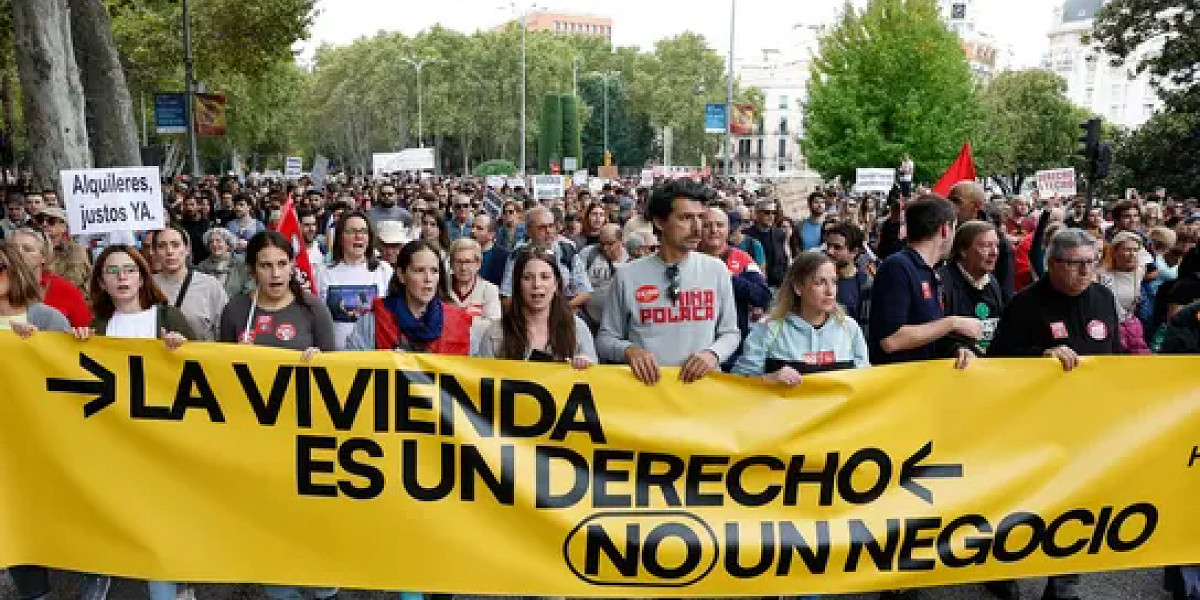
This was the stark warning issued by the real estate sector in Spain. They say that if we don't seriously accelerate the construction of new homes, access to housing will continue to worsen, leading to social and economic problems that will be difficult to contain. This all came up during the panel “Housing as Infrastructure,” at the 12th Real Estate Meeting, organized by Tinsa by Accumin, IESE, and Savills.
Developers and public administrations agree: Spain lacks supply, especially in major cities. Why? Years of slow construction, ever-increasing demand, and sluggish processes—both for developing land and obtaining permits.
Joan Cambronero, from the Barcelona City Council, is clear on this point. It's not that there's a lack of land; the problem is transforming that land into housing in time. With the current housing emergency, we cannot afford to have land tied up.
Barcelona has decided to treat housing as an essential infrastructure and address the process from beginning to end, from planning to construction. In the last two years, the city council has delivered 2,000 homes, has more than 5,400 under construction, and another 6,000 in urban development, many of them thanks to public-private partnerships.
In Madrid, Ana de Miguel, who heads the EMVS (Madrid Municipal Housing Company), explained that the capital has been releasing land since 2019 to increase supply. Currently, Madrid has the capacity to develop some 200,000 homes in 12 large urban areas and can grant licenses for 60,000 homes in the short term. All of this is accompanied by measures to streamline procedures, such as allowing urbanization and construction to proceed simultaneously, converting disused public land into affordable housing, and programs like the Suma and Reviva Plans, which aim to promote affordable housing and provide security for small landlords.
The most direct intervention came from the real estate development sector. Francisco Pérez, CEO of Culmia, warned that the housing problem isn't just Spanish: it's European. Far less is being built than is needed. According to him, Spain has enough land, but it needs to be bold and do new things, treating housing as infrastructure, even in public-private partnership projects. And he made it clear: “If we don't wake up, the storm will hit us.”
Carolina Roca, president of Asprima, pointed out that Spain has been building far less than people demand for years. To begin closing this gap between supply and demand, construction rates of around 250,000 homes per year would be needed. It's true that the sector has invested more capital and equity, but production remains stagnant, making it increasingly difficult for the middle class and young people to access housing.
Even so, Roca sees a significant change: there is now greater political and social consensus on the need to build more. This climate opens the door to profound reforms, such as the upcoming LIDER Law of the Community of Madrid, which aims to streamline urban planning, remove administrative hurdles, and allow for greater density to generate new housing more quickly.
The debate concluded with a clear and shared message: the demand for housing will continue to grow. The problem is no longer just for the most vulnerable; it affects all of society. If the public and private sectors do not respond quickly, in a coordinated and serious manner, the housing deficit will worsen, and the developers' warning will come true.