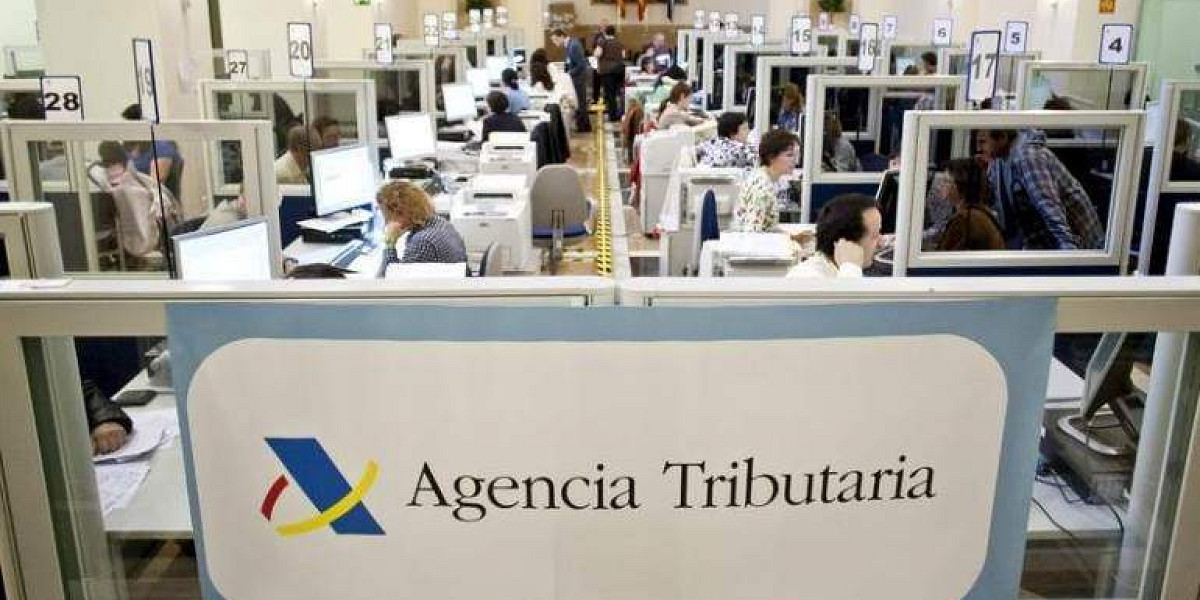
From January 1, 2026, everything changes: the Tax Agency is focusing on electronic payments, whether Bizum, bank transfers, or cards.
Until now, the Tax Agency only asked banks to report if someone was going to receive more than €3,000. But with the new Royal Decree 253/2025, what matters is not the amount, but the frequency. If a payment is repeated, even for a small amount, the Tax Agency wants to know. This means that banks will send a monthly report with all transactions that form a recurring pattern, however small. It doesn't matter if you transfer €50, €200, or €500. If you do it every month, it could raise a red flag.
What they are looking for is to better control these payment methods, which are increasingly used, especially among professionals, and thus curb fraud. This affects thousands of transactions that previously went unnoticed. For example, many parents help their children with rent or mortgage payments each month. If they always deposit the same amount—let's say 300 euros—and that money isn't repaid, the Tax Agency may see it as a recurring donation.
Experts advise: the best course of action is to declare this assistance as a donation, a tax that is often offered at a low rate, or to document the loan between individuals, with repayment terms. The self-employed will also feel the effects.
From January, they will have to justify every income with an invoice, no matter how small, and not mix a single euro between their personal and professional accounts. Many are complaining.
An artisan from Madrid says that the administrative and tax burden is constantly increasing. The Spanish Association of Tax Advisors summarizes it this way: the Tax Agency is focusing on small taxpayers, instead of only going after the large transactions that usually conceal fraud. The ball is now in the court of banks, credit institutions, and payment service providers, both physical and digital, that work with freelancers and businesses in Spain. They will have to report not only on the transactions of these professionals, but also on payment patterns and the annual volume of transfers, including Bizum.
If the amount received via Bizum doesn't match what is declared on tax returns, an audit is almost guaranteed. The Tax Agency will cross-reference all this data, so there's no room for oversights.