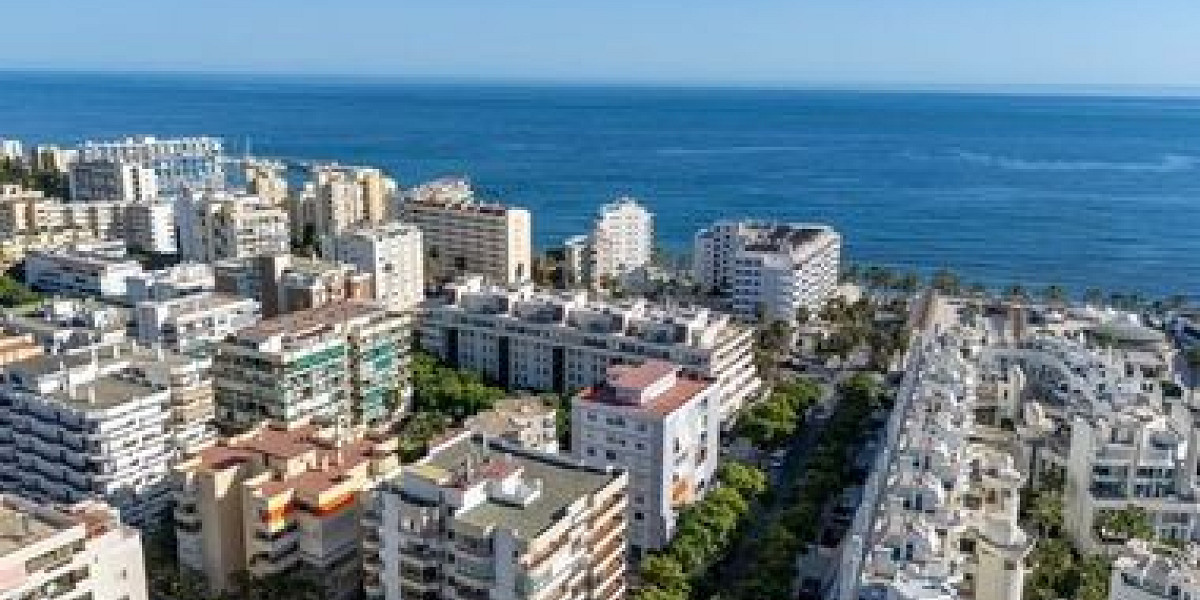
BBVA makes it clear: home sales in Spain are cooling down, but not due to a lack of desire to buy. The real problem is that there isn't enough supply and prices continue to rise. In October, for example, sales transactions fell by 2.5% compared to last year, mainly due to the drop in new construction sales, according to the INE (National Institute of Statistics). And yes, demand remains strong, but the lack of available homes and rising prices are holding back the market.
That's what the latest 'Spain Situation' report from BBVA Research says. In it, they review their forecasts for prices, the number of sales, and new construction up to 2026. According to them, sales are moderating because there is little product available and prices are rising rapidly, not because there is a lack of buyers. And, frankly, they believe that this imbalance between supply and demand will continue.
Their figures are clear: they expect sales to remain stable at around 725,000 per year, both this year and next. Why aren't sales falling further? Because demand continues to be supported by strong foundations: robust employment, more households, immigration, rising wages, and stable interest rates. But supply can't keep up, and prices are becoming increasingly competitive.
Regarding prices, BBVA Research is blunt: they will continue to rise sharply, by more than 10% this year and close to 9% next year. This will price out some prospective buyers, as they won't be able to afford the cost of housing.
Where they do see movement is in building permits for new construction, which they expect to grow between 10% and 12% this year and next. They estimate that between 140,000 and 155,000 visas will be approved, the highest figure since 2008.
They also predict that investment in housing will pick up and grow by more than 6% in the next two years, thanks to strong demand. But even that won't be enough to close the gap between the number of homes being built and the actual need. If investment in residential construction were to reach 6% of GDP, there would still be a shortfall of more than 700,000 homes, precisely the figure also estimated by the Bank of Spain.
To begin to address this problem, BBVA believes that investment in housing must be increased to 10% of GDP before the end of the decade. They insist that it is urgent to offer more affordable housing to attract talent and improve lives, especially for young people. And that can only be achieved with more public investment.
BBVA Research also calls for broad agreements to remove the bottlenecks that could hinder the economy in the coming years. They cite housing as a clear example. They argue that inertia is not enough to sustain medium-term growth. Measures must be agreed upon to eliminate these obstacles. They criticize the fact that extending the General State Budget limits the ability to adjust public spending to meet societal demands. Furthermore, they observe a lack of major agreements on key issues such as boosting housing construction, guaranteeing affordable electricity, attracting skilled immigrants, and improving the labor market so that workers have a better standard of living and companies are more efficient.
Beyond the housing issue, the BBVA report anticipates that the Spanish economy will slow somewhat. They have lowered their GDP growth forecast for this year by one-tenth of a percentage point, to 2.9%. Even so, Spain is growing faster than the average of the last 30 years (2.1%) and significantly faster than the eurozone as a whole (1.4%). By 2026, they have raised their forecast to 2.4%, one-tenth of a percentage point higher than previously anticipated, and they expect 2% growth by 2027. In short, BBVA Research sees that economic activity is beginning to slow.
BBVA Research believes the economy is starting to decelerate and expects this trend to continue. Foreign tourism no longer contributes as much to growth as before, exports continue to face challenges, and fiscal policy will become more restrictive from the second half of 2026 onward.
Other factors must be added to this. Tariffs are rising, there is more uncertainty in trade, and the euro is strengthening against the dollar. All of this could have a greater impact than initially thought. Data from recent months has been highly volatile, but the loss of competitiveness, due to increased export costs and the euro's appreciation, could leave a lasting mark longer than expected.
Regarding employment, BBVA Research forecasts the creation of nearly one million jobs over the next two years, approximately 480,000 jobs per year, primarily due to immigration.
On the other hand, the study expects household disposable income to gradually increase: by 2.4% in 2026 and 1.9% in 2027, both in real terms. This will help boost private consumption.
The report also anticipates that the disbursement of funds linked to the Recovery and Resilience Facility will accelerate. As summer 2026 approaches, the urgency to spend Next Generation EU funds will increase. Public administrations will have to make a concerted effort to use all the money, either by redirecting unspent funds to other projects or by accelerating pending tenders and grants. If the entire amount is to be spent before August 2026, more than 60% of what was spent in 2025 would need to be disbursed, the report concludes.